



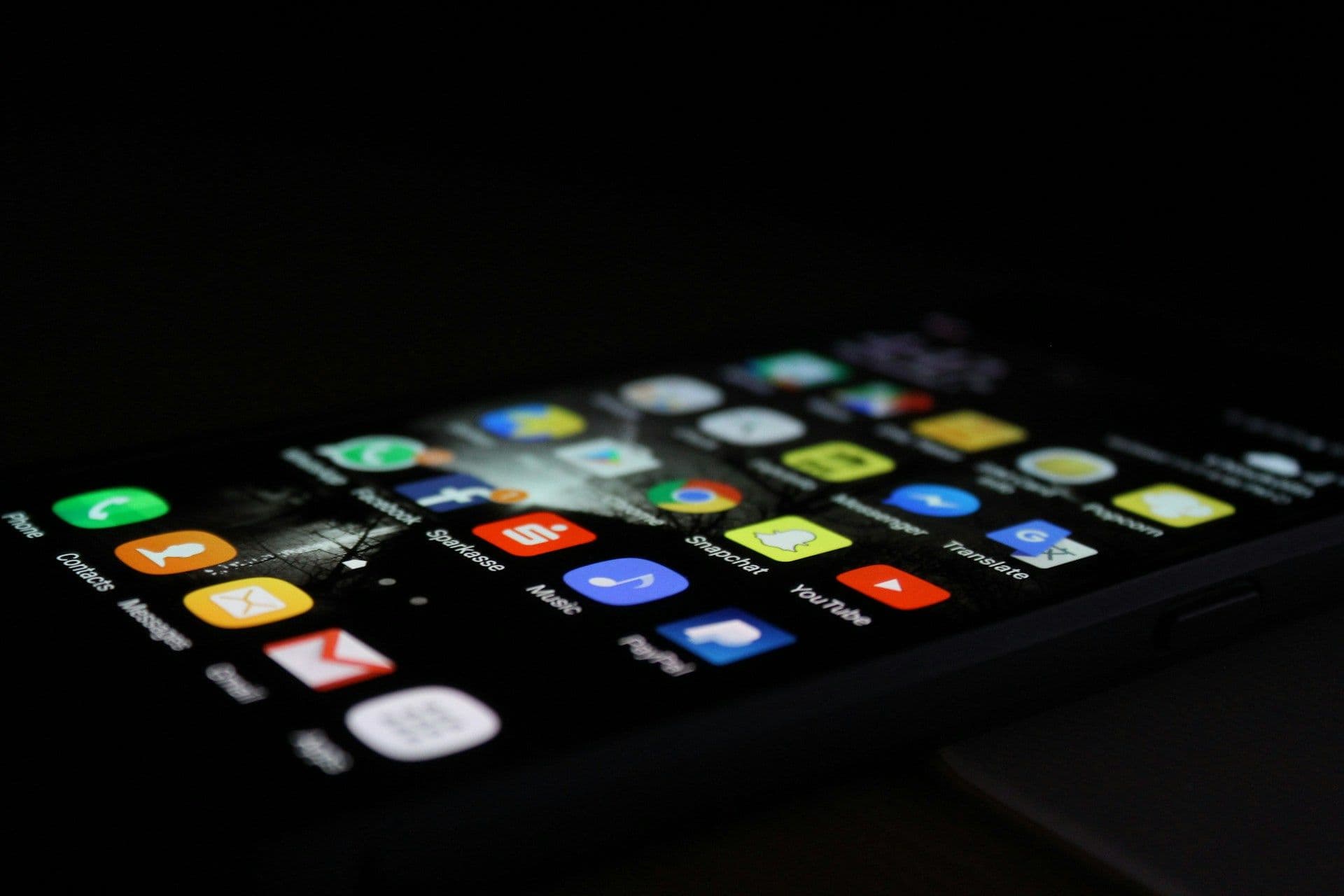
What is an app? An explanation of mobile applications and how they work

What is an app?
An app, or application, is a software tool designed to help users perform specific tasks on electronic devices such as smartphones, tablets, or computers. The word "app" is short for "application", which simply means a program designed to serve a specific purpose.
Some of the most famous examples of apps include messaging apps like WhatsApp, social media like Instagram, and practical tools like online banking or weather apps.
Apps come in many shapes and sizes and can cover everything from entertainment to productivity. For example, a fitness app can help you keep track of your activity goals, while a map app gives you real-time directions.
Types of apps
Apps can be divided into several categories based on their functionality and platform. Mobile apps are specially developed for use on smartphones and tablets and focus on easy access and ease of use. Desktop apps, on the other hand, are designed for larger computer screens and often have more advanced features that are suitable for complex tasks.
Another important dividing line is between native, web and hybrid apps. Native apps are built for specific operating systems such as iOS or Android, and they take full advantage of the device's hardware for better performance. Web apps, on the other hand, require no download as they run directly in the browser.
Hybrid apps combine the best of both worlds. They are easy to develop and can be used on several platforms at the same time.
With so many varieties of apps, there's always a solution to suit your needs, whether it's for work, personal development or entertainment.
How do apps work?
Apps are little technological marvels that give us access to everything from games and social media to professional tools, all right from the palm of our hands. To understand how they work, we need to take a closer look at the technology behind them and how they are deployed and maintained.
Basic technology behind apps
An app is built using code, written in specific programming languages such as Swift for iOS or Kotlin for Android. These codes instruct the device how the app should behave, from simple tasks such as displaying text to more advanced functions such as handling data in real time.
Apps are designed to work on different platforms and operating systems. The most famous are iOS, which is used by Apple devices, and Android, which is used by a number of manufacturers such as Samsung and Google.
The operating system plays an important role because it gives the app access to the device's hardware, such as the camera, microphone, GPS and sensors. This allows apps to perform tasks such as taking pictures, navigating in real time or measuring steps without additional equipment.
Downloading and updating apps
Most apps are distributed through dedicated platforms such as the App Store for iOS and Google Play for Android. These platforms act as marketplaces where users can search for the apps to install with a single tap.
Before an app becomes available in an app store, it must go through an approval process to ensure that it meets technical and security standards.
Updates are another important part of how apps work. Developers regularly release updates to improve performance, add new features or fix any bugs that may occur.
These updates are also crucial for security, as they help close vulnerabilities that can be exploited by hackers. It is therefore important to keep the apps up to date in order to have an optimal and safe user experience.
Apps combine sophisticated technology with user-friendly design, and through efficient distribution channels and maintenance, they ensure that we have access to an ever-expanding world of digital possibilities.
Why are apps important?
Apps have revolutionized the way we live, and they play a central role in both our personal lives and how businesses operate. They give us access to services, information and tools that were previously unavailable or required a lot of time and resources to use.
Apps in everyday life
Today, it is almost impossible to imagine everyday life without apps. They have changed the way we communicate with each other, from simple text messages to video calls with friends and family on the other side of the globe. Platform apps like WhatsApp, Messenger and Zoom have made communication easier and more accessible than ever before.
Apps have also reshaped how we work. Many work tools, such as Slack, Microsoft Teams and Google Drive, make collaboration and productivity possible wherever we are. At the same time, apps for entertainment, such as Spotify, Netflix and YouTube, have changed the way we consume music, movies and videos, replacing traditional media for many.
Use for private individuals and companies
For private individuals, apps provide easy access to services such as online banking, health information and exercise. For example, a health app can track physical activity, provide medication reminders, or even connect you with a doctor. Apps for shopping, such as Amazon or Zalando, make it possible to shop for anything from anywhere.
For businesses, apps are a powerful tool for reaching customers and doing business. Digital marketing apps such as Facebook Ads Manager and HubSpot give companies the ability to analyze and engage target groups.
Customer service apps such as Zendesk and chatbot-based solutions ensure that customers receive quick and efficient help. With mobile apps, companies can also offer tailored services, which provide a more personal and satisfying user experience.
Pros and cons of apps
Apps have become an integral part of our digital everyday life, but they come with both advantages and challenges. To understand their full potential and limitations, it is important to look at what makes them so popular and what problems they can cause.
Advantages of apps
One of the biggest advantages of apps is their accessibility and ease of use. They are designed to be intuitive, making it easy for users to perform complex tasks with just a few taps. Whether it's ordering food, paying bills or keeping in touch with friends, it's all available from the palm of your hand, anytime, anywhere.
Apps also offer a degree of personalization that other technologies can rarely match. By analyzing user data, apps can customize features, recommendations and content according to individual preferences.
For example, a fitness app can make specific suggestions based on users' activity levels, or a streaming app can suggest movies and series that match your viewing habits. This ability to tailor experiences helps make apps more relevant and useful to each individual user.
Challenges with apps
Despite the benefits, there are also challenges associated with apps. For companies, the costs of development and maintenance can be significant.
Building an app requires technical expertise, and it is often necessary to update and optimize the app regularly to keep it competitive. This involves both time and resources, which can be a big burden, especially for smaller organisations.
On the user side, privacy and security are a major concern. Many apps collect large amounts of data, which can be sensitive information about users' habits, location or finances. If the app does not have adequate security measures, this information may be vulnerable to hacking or misuse.
Even legitimate apps can sometimes misuse data, making it important for users to be aware of permissions and security settings.
A balanced assessment
Although apps make life easier and more efficient, it is important to be aware of both their advantages and disadvantages. By understanding the underlying challenges, users and companies can make better choices when it comes to developing and using apps. In this way, we can enjoy the benefits apps offer, while reducing the risks they can bring.
How to choose and use apps effectively?
With millions of apps available, finding the best options for your needs can be challenging. Equally important is using apps in a way that is both efficient and safe. Here are some useful tips for choosing good apps and practicing smart app use.
Tips for choosing good apps
When considering a new app, the first step is to research the app's reliability. Start by reading user reviews in the App Store or Google Play. Look for patterns in the feedback. If many complain about bugs, poor performance or security issues, you may want to steer clear. High ratings combined with detailed reviews are often a good sign that the app works as promised.
Also, make sure the app meets your specific needs. Read the app description carefully and check the feature list to see if it offers what you're looking for. For example, if you're looking for a fitness app, consider whether it has features that suit your fitness routine, such as custom workout programs or integration with smartwatches.
Finally, you should be aware of how much data or storage space the app requires, especially if you have limited space on your mobile devices.
Best practices for app usage
Once you've chosen an app, it's important to use it safely and effectively. Start by managing your app settings. Many apps ask for access to functions such as camera, microphone or location, but this is not always necessary. Review the permissions and turn off those that are not relevant to the app's functionality. This not only improves your security, but can also reduce battery usage.
Also, avoid overloading your phone with too many apps. Redundant apps take up storage space, can slow down performance and make it difficult to keep track of which apps are actually being used. Make it a habit to delete apps you don't use regularly. At the same time, you should update the apps you keep, so that you get the latest features and security improvements.
A smarter app everyday
By being selective about which apps you download and proactive in how you use them, you can get the most out of technology without unnecessary stress.
This isn't just about finding the right tools, but also about using them in a way that enhances your digital experience while protecting yourself and your device. With a little attention, apps can become a seamless and secure part of your everyday life.
The future of apps
The world of apps is constantly evolving, and the future looks more innovative and technologically advanced than ever before. With new breakthroughs in technology, apps will continue to change the way we live, work and communicate.
Innovations in app technology
One of the most exciting developments in app technology is the integration of artificial intelligence (AI) and machine learning. These technologies enable apps to understand user behavior, predict needs and offer customized solutions.
For example, AI-powered health apps can analyze the user's data to provide tailored health advice, or a music app like Spotify can use machine learning to suggest new songs based on your preferences. This type of technology will make apps smarter and more intuitive in the future.
Augmented reality (AR) and virtual reality (VR) are also on their way to becoming integrated parts of the app experience. Apps like Pokémon GO have already shown the potential of AR, but this is just the beginning. Future apps can use AR for everything from interactive shopping experiences to training and education.
Similarly, VR applications can create fully immersive experiences, whether for entertainment, work or virtual travel.
How apps will affect our digital future
Trends in app development usually point towards an even more seamless and user-friendly digital experience. Focusing on cross-platform apps, which work on both mobile, tablet and desktop, enables users to move between devices without interruption. At the same time, apps will become more energy efficient, both in terms of battery use and storage space, thanks to advances in code optimization.
Personalization will continue to be a key trend. By combining user data and advanced analysis, future apps will be able to adapt everything from functionality to design according to individual needs. This will create a more engaging experience and ensure that apps remain relevant in an increasingly competitive world.
With a growing interest in sustainability, apps will also contribute to environmentally friendly solutions, for example by offering services that reduce paper consumption, optimize energy use or help users to live more environmentally conscious.
A future full of possibilities
The future of apps is not just about technology, but about how they will improve and simplify our lives. From AI and AR to increased personalization and sustainable solutions, apps will continue to play a crucial role in our digital everyday life. As we look ahead, one thing is certain: the possibilities of what apps can achieve are endless.
Frequently asked questions
What is an app?
An app, short for application, is a software program designed to run on a specific platform, such as a smartphone, tablet, or computer. Apps allow users to perform specific tasks such as sending messages, playing games or shopping online.
What is the difference between a mobile app and a desktop app?
Mobile apps are specially adapted for smartphones and tablets, while desktop apps are designed for use on computers. Mobile apps are often lighter and have limited functionality compared to desktop apps, which can handle more complex tasks.
What are the different types of apps?
- Native apps: Developed specifically for an operating system, such as iOS or Android.
- Web apps: Browser-based apps that don't require downloading, like Google Docs.
- Hybrid apps: A combination of native and web apps, which can run on multiple platforms.
How do I download an app?
You can download apps through official app stores, such as the App Store (for iOS) and Google Play (for Android). Just search for the app you want, tap "Download" or "Install," and follow the instructions.
Build the future of your product with zero headaches
From MVP prototypes to scalable platforms, our full-stack dev team turns your roadmap into rock-solid code. Get to market faster without sacrificing quality.
Get started

