

How to Create an NFT: A Step-by-Step Guide for Beginners

What is an NFT (non-fungible token)?
NFT stands for non-fungible token and is a unique digital asset that exists on a blockchain. While other digital files such as images, music or videos can be copied endlessly, an NFT provides proof of ownership and authenticity for a specific file or object.
This is what makes NFTs "non-fungible", meaning they are not interchangeable. Each NFT is unique and cannot be replaced by an identical item.
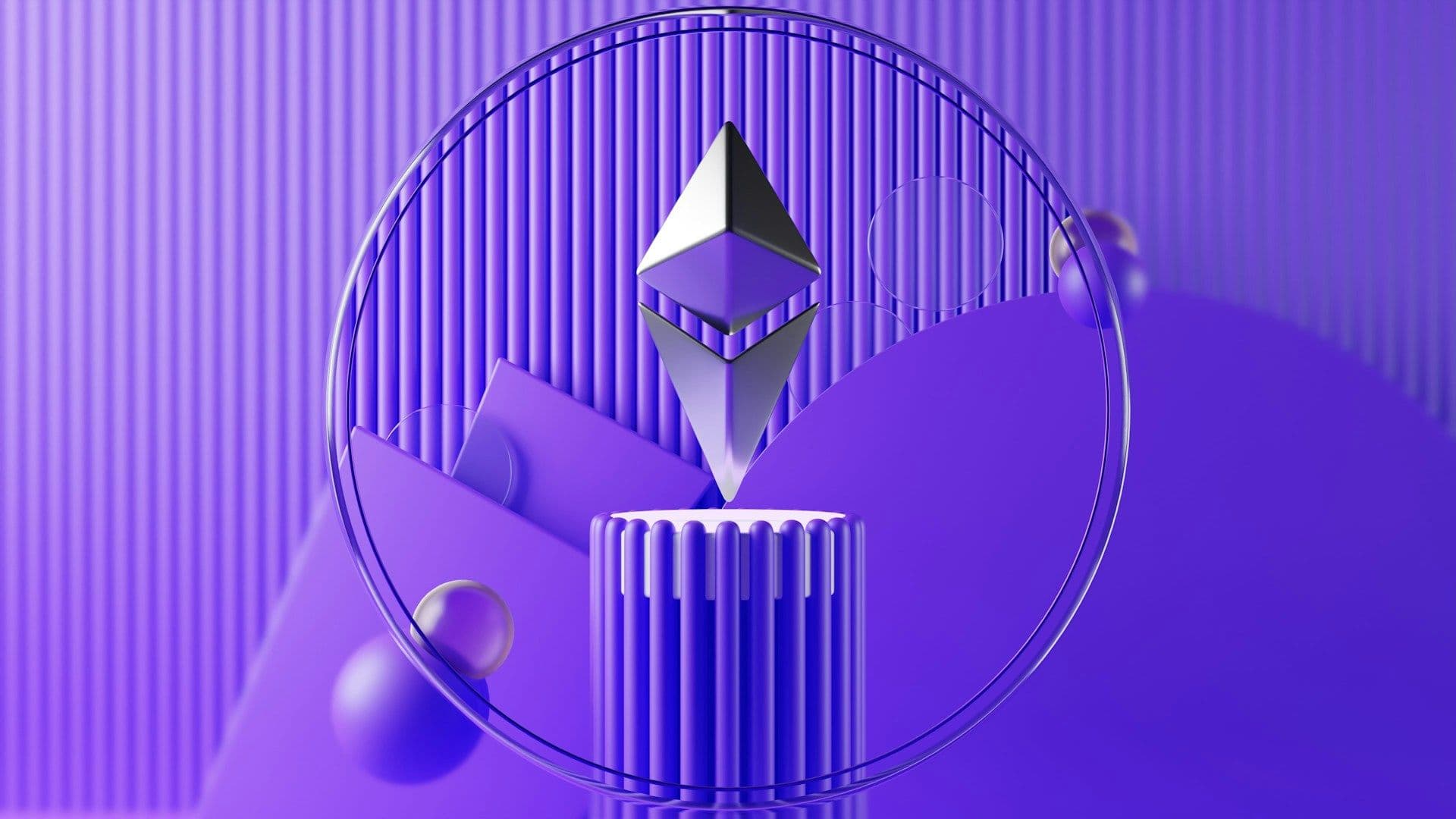
NFTs work using blockchain technology, a decentralized and secure digital ledger. Most NFTs are based on the Ethereum blockchain, but other types of blockchains such as Solana and Polygon also support this type of digital asset.
Blockchain technology ensures that ownership of an NFT is traceable and verifiable, creating a form of digital scarcity in an otherwise limitless digital world.
In practice, this means that when you buy an NFT, you own a unique version of the digital object, be it art, music or even a virtual property. Although others may be able to view or download a copy, only you can prove that you own the original.
It is this combination of technology and ownership that has made NFTs a revolution in both the art world and the tech industry.
What do you need to create an NFT?
Before you can create your own NFT, you need to have some important components in place. Understanding what is required makes the process easier and clearer, especially if you are new to the field. Here's everything you need to get started.
Digital artwork or content
First of all, you need something to turn into an NFT. This could be digital art, a music file, a video, a game object, or even a unique photograph. In principle, anything that can be digitized can become an NFT, but it is important that the content is your own, so that you have the necessary rights.
Take the time to prepare the file in the right format and quality so that it looks professional and is ready for upload.
Wallet for cryptocurrency
To create and sell an NFT, you need a crypto wallet. A crypto wallet acts as a digital account where you can store your cryptocurrency as well as manage the NFTs you own or create.
One of the most popular options for beginners is MetaMask, which is an easy-to-use and secure wallet that works as a browser extension.
Setting up a crypto wallet is easy:
- Download and install the wallet (such as MetaMask) from an official source.
- Create an account by following the instructions.
- Remember to save your recovery phrase in a safe place. This is the only way to access your wallet if you lose access.
Once the wallet is ready, it will be used to pay fees and receive payments for your NFTs.
Cryptocurrency for gas fees
To create an NFT, you must pay gas fees, which are the cost of using the blockchain network. These fees cover the technical processes required to register the NFT on the blockchain.
The amount of gas fees may vary, depending on the network traffic and which blockchain you use. Ethereum has historically had high fees, while newer alternatives such as Solana offer lower fees.
To get started, you need to buy cryptocurrency (usually Ethereum) and transfer it to your wallet. You will then be able to use this to cover the costs associated with the creation of the NFT.
Step-by-step guide to creating an NFT
If you're ready to make your first NFT, this step-by-step guide is all you need to get started. Follow the steps below to navigate through the process, from choosing a platform to publishing your NFT.
Step 1: Choose the right NFT platform
The first step is to choose a platform where you can create and sell your NFT. There are several options, but the most popular ones include OpenSea, Rarible, and Mintable.
- OpenSea - The largest NFT marketplace with user-friendly interface and support for various blockchain networks.
- Rarible - A platform that emphasizes community and allows you to customize your sales.
- Mintable - Ideal for beginners, with features that simplify the creation of NFTs.
Choose a platform that suits your needs and the budget you have available for gas taxes.
Step 2: Prepare your NFT
Once the platform is chosen, you need to prepare your content. This involves making sure your digital files are ready for upload.
- Format - Most platforms support formats such as JPEG, PNG, GIF, MP4 and MP3.
- File Size - Check your platform's specifications for maximum file size. For example, OpenSea allows up to 100 MB per file.
Make sure your content is of high quality and represents your work in the best possible way.
Step 3: Connect the wallet to the platform
Before you can create an NFT, you need to connect your crypto wallet to your chosen platform. If you use MetaMask, do this by:
- Click on "Connect to wallet" on the platform.
- Select MetaMask from the list of options.
- Authorize the connection through the wallet.
Connecting the wallet lets the platform request signatures or transactions; it does not give the platform direct access to your cryptocurrency. Review the wallet prompt carefully and approve only the permissions and transactions you understand.
Step 4: Upload and customize the NFT
After the wallet is connected, you can start uploading your content. The process varies slightly between platforms, but usually involves the following:
- Upload the digital file you want to convert to an NFT.
- Give the NFT a title and a short description explaining what it is.
- Add properties and metadata, such as colors, themes or other unique details that make the NFT more valuable.
- Choose the number of copies you want to make, one for uniqueness or several for collection.
Step 5: Set the price of your NFT
Once the NFT is uploaded, you need to decide how to price it. You can choose between two main options:
- Fixed price: Simple and straightforward. You set a price and buyers can buy at that price.
- Auction: Buyers bid on your NFT and it is sold to the highest bidder. This can be a good idea for rare or in-demand NFTs.
Tip: Do some research on similar NFTs to set a competitive price.
Step 6: Publish your NFT
Once everything is ready, it's time for the final step: publishing your NFT.
- Confirmation - When you click "Create" or "Publish," you will be asked to confirm the action in your crypto wallet. This will also include the gas tax, which must be paid to register the NFT on the blockchain.
- Promotion - After publication, you can share your NFT on social media or in NFT communities to gain attention from potential buyers.
Common mistakes and tips for beginners
Creating and selling NFTs can be exciting, but it's easy to make rookie mistakes that can cost you time and money. Here are some of the most common pitfalls, and tips on how to avoid them.
Avoid high gas taxes
Gas fees are the costs you pay to use the blockchain network, and these can vary greatly depending on the traffic on the network. Many beginners make NFTs without checking this and end up paying unnecessarily high fees.
To avoid this:
- Use times when network traffic is low, such as early morning or late evening on weekends.
- Consider alternatives to Ethereum, such as Solana or Polygon, which often have lower gas fees.
Check the marketplace's fees
Different NFT platforms have their own fees for sales and transactions. Some take a percentage of sales, while others have fixed fees. Many people forget to take this into account, which can eat into your profits.
Tips:
- Read carefully the fee overviews on the platform you use.
- Choose a platform that fits your budget and expectations, especially if you are a beginner.
Create backup copies of your wallet
One of the biggest risks with cryptocurrency and NFTs is the security of your wallet. If you lose access to your wallet, for example by losing your recovery phrase, you can lose all your assets forever. Many beginners do not take this seriously until it is too late.
To protect you:
- Write down your recovery phrase in a safe place off the web (not in your email or on a digital device).
- Consider keeping the copy in several places, such as a fireproof safe or with a trusted person.
Bonus: Start small and learn along the way
Instead of jumping into complex or expensive projects, start with a simple NFT to familiarize yourself with the process. In this way, you minimize risk and gain valuable experience before making larger investments.
Why create an NFT?
NFTs have created a completely new way of thinking about digital ownership, value creation and artistic expression. For many, it is an exciting opportunity to combine creativity and technology with financial potential. But why should you consider creating an NFT? Here are three main reasons.
Economic potential
Among other things, the NFT market has grown enormously in recent years, and some NFTs have been sold for staggering sums. Artists like Beeple have sold digital works worth millions of dollars, while lesser-known creators have also earned significant amounts.
Examples like this show that NFTs can provide a new income stream, whether you're an established artist or just starting out. Even small collections or individual works can find buyers, especially if they appeal to a specific niche or capture a trend.
Support creativity
NFTs give creators a unique chance to monetize their work directly without the need for intermediaries. For example, artists can sell works directly to collectors and also earn royalties every time the NFT is resold on the market. This makes NFTs a powerful solution to support artistic freedom and economic sustainability.
Furthermore, NFTs can be used to explore new forms of creativity, such as interactive artworks, music experiences or digital collectibles that connect multiple media.
Long-term value
NFTs are more than just digital products. They are also collectibles. Just like rare coins or works of art, some NFTs can increase in value over time, especially if they have historical or cultural significance.
This makes NFTs interesting investments, both for creators and buyers. If you create an NFT that is valued by collectors, it can retain or even increase in value over time, giving you both financial gain and a place in digital art history.
Frequently asked questions
How much does it cost to create an NFT (non-fungible token)?
The cost of creating an NFT varies depending on the platform and blockchain network you use. On Ethereum, gas fees can be high, often between NOK 50 and 200, depending on the network traffic. Alternatives such as Solana and Polygon have lower costs.
Can I make an NFT without cryptocurrency experience?
Yes, you can make an NFT even without much cryptocurrency experience. The process is simplified on many platforms like OpenSea and Rarible, but you need to understand the basics, like how to create a crypto wallet and buy cryptocurrency to pay gas fees.
Do I have to be an artist to make an NFT?
Not necessarily. Although many NFTs are digital works of art, they can also be music files, videos, virtual collectibles, or even tweets. As long as you have unique digital content that you want to share or sell, you can create an NFT.
What happens if no one buys my NFT?
If no one buys your NFT, it stays in your wallet and you can choose to promote it further or reduce its price. Remember that NFTs, like other marketables, need visibility and interest to sell, so it may be worth using social media or communities to promote it.
What is NFT marketplace?
If you want to buy digital art, you can buy NFTs on various dedicated digital marketplaces. Platforms such as OKX, Binance, OpenSea, Rarible, and Foundation allow all users to buy, sell, and trade unique digital assets such as art, music, and collectibles.
Build the future of your product with zero headaches
From MVP prototypes to scalable platforms, our full-stack dev team turns your roadmap into rock-solid code. Get to market faster without sacrificing quality.
Get started

