



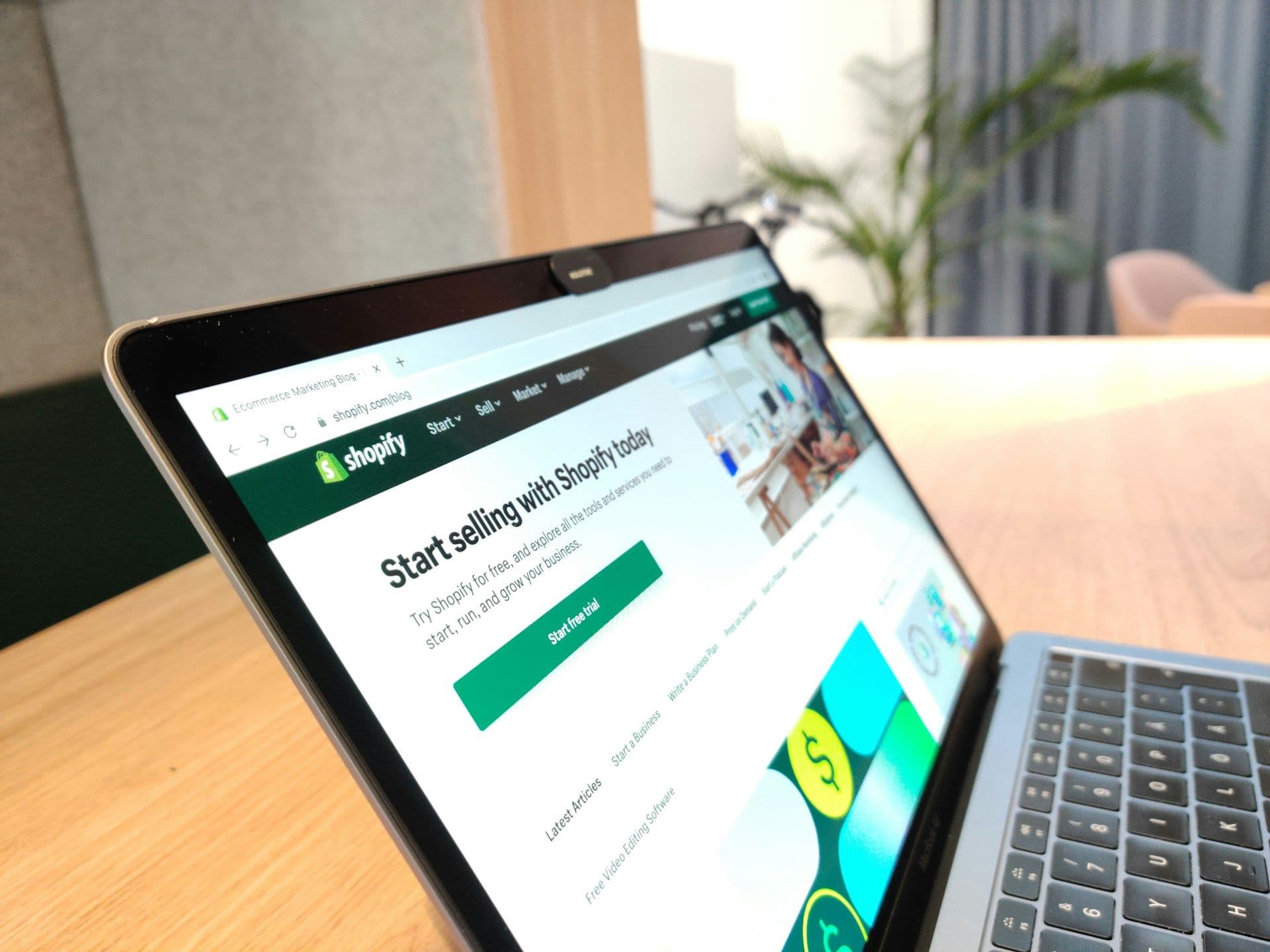
Shopify in Norway: How to use Shopify to start a Norwegian online store

Advantages of Shopify for Norwegian online stores
Shopify has become a favorite among many Norwegian companies who want a simple and efficient way to start an online store, for example to sell products. The platform is known for its ease of use, so you can set up a professional online store without any technical knowledge.
This means you don't have to worry about advanced coding or complex systems. Shopify gives you the tools to create a functional and aesthetically pleasing online store with just a few clicks.
Another big advantage of Shopify for the Norwegian market is the integration with popular payment solutions such as Vipps and Klarna. These solutions are almost a standard for Norwegian customers and make it easy for them to pay in a way they trust.
In addition to having several functions, Shopify supports Norwegian currency (NOK) and allows you to adapt the store to communicate in Norwegian, which is crucial for building trust with Norwegian customers.
For businesses looking to grow, Shopify's scalability is also a major strength. Whether you are a small start-up or already have an established business, the platform gives you the opportunity to adapt the online store as needed.
From simple solutions to advanced features like international sales and detailed inventory management, Shopify is designed to grow with your success. Shopify enables you to create!
Step-by-step: How to start an online store with Shopify in Norway
Starting an online store with Shopify is easier than you might think. Follow these steps to get started and adapt the store to the Norwegian market.
Create an account
First, you need to register on Shopify's website. The process is quick and easy. All you need is an email address. Once you are registered, you choose a subscription that suits your needs. Shopify offers different plans, so you can start at an affordable level and upgrade as your business grows.
Choose a suitable online store template
The next step is to choose a design template that reflects your brand. Shopify has many modern and professional templates to choose from.
Choose one that works well for the Norwegian market, preferably something simple and clear that appeals to Norwegian customers. The templates are fully customizable, so you can adjust the colors, fonts and layout to your liking.
Add products
Once the design is ready, it's time to add your products. Be sure to include detailed product descriptions that give customers the information they need. Remember that Norwegian customers appreciate honest and clear descriptions.
Also use high-quality images and write prices in NOK to create a professional and user-friendly experience.
Configure payment methods
A crucial step is to set up payment solutions that work well in Norway. Shopify allows you to easily connect to popular services such as Vipps, Klarna and Stripe. This gives customers the flexibility to pay in the way they prefer, which can increase the chance of a sale.
Set up shipping options
Finally, you need to configure shipping for the online store. Norwegian customers expect alternatives such as Posten and Bring, and Shopify allows you to easily integrate these solutions. Set up shipping costs based on the weight and size of your products, and consider offering free shipping to attract more buyers.
Optimization for the Norwegian market
To be successful with a Shopify online store in Norway, you must ensure that it is tailored to the needs and expectations of Norwegian customers. This is about more than just setting up a shop. It also requires linguistic and cultural adaptation, as well as a targeted strategy for visibility and marketing.
Translation and adaptation of languages
The language in your online store is crucial for building trust with Norwegian customers. Make sure that all content, from product descriptions to navigation menus, is translated into correct Norwegian. Use a friendly but professional tone that reflects your brand.
Also remember to adapt the text to Norwegian conventions, such as the correct date and time format, and be careful to use Norwegian kroner (NOK) as currency.
SEO for Norwegian searches
In order to be found by potential customers online, your online store must be optimized for Norwegian searches. Identify relevant keywords that your customers are searching for and implement these in product descriptions, meta titles and blog posts.
Use tools such as Google Keyword Planner to find popular search terms in Norway. Local adaptation is also important. Include geographical keywords if you are targeting specific areas in Norway. Also make sure your online store has a fast loading time and mobile-friendly design, as this affects your ranking on Google.
Marketing aimed at Norwegian customers
An effective marketing strategy is essential for generating traffic to the online store. Social media is particularly popular in Norway, so consider using platforms such as Facebook and Instagram to reach your target audience. Create engaging content, such as posts, advertisements and videos, that appeal to Norwegian customers.
In addition, email marketing is a powerful tool for maintaining contact with your customers. Offer exclusive offers, news or tips through newsletters to keep customers engaged and loyal.
Remember: When it comes to shops, the "point of sale" is after all the most important thing.
Common challenges and solutions for Shopify in Norway
Although Shopify is a powerful platform for e-commerce, there can be some challenges to navigate when adapting the online store to the Norwegian market. Fortunately, there are effective solutions to deal with these challenges, so that your store can be run both legally and efficiently.
VAT and tax in Norway
One of the most common challenges for Norwegian online shops is handling value added tax (VAT) and tax regulations. Norwegian companies must calculate and report VAT correctly, which can be complex if you don't have the right systems in place.
Shopify offers several apps and integrations that help with accounting and VAT management, such as QuickBooks or Dataløn. By using such tools, you can automate VAT calculations and generate necessary reports for the Norwegian authorities.
Additionally, it's important to configure Shopify's tax settings to ensure correct VAT rates are displayed at checkout.
Consumer rights
Norwegian customers are used to strong consumer rights, including the right to return and exchange goods. To meet these requirements, you must ensure that the online store has clear guidelines for returns and refunds.
Offer a simple return process, and inform customers of their rights according to Norwegian law. Shopify gives you the ability to customize policies and add them as separate pages to your store, so they're always easily accessible to your customers.
Adaptation for international sales
If you plan to sell to customers outside Norway, the online store must be adapted to international sales. This involves offering multiple currencies, supporting different languages and handling VAT and shipping to other countries. Shopify has built-in tools for multilingual stores and currency conversion, making it easier to reach a global audience.
At the same time, you must ensure that the shipping settings cover both domestic and international suppliers, and that you comply with the requirements for export and customs.
How to use Shopify apps to strengthen your online store in Norway
One of Shopify's greatest strengths is the huge range of apps that can be integrated directly into your online store. These apps help you with everything from marketing and stock management to payment solutions and customer service.
Here are some ways you can use Shopify apps to make your online store more efficient and competitive in the Norwegian market.
Payment solutions adapted to Norwegian customers
For Norwegian online shops, it is important to offer payment options such as Vipps, Klarna and other well-known solutions. Shopify supports integration with these via specific apps that make it easy to add and manage payment methods. This gives customers peace of mind and flexibility when shopping, which can increase the conversion rate.
Automate VAT and accounting
VAT handling can be a challenge for Norwegian online stores, but Shopify apps such as TaxJar and QuickBooks Online can simplify the process. These apps automate VAT calculations and generate reports for accounting and submission to the Norwegian Tax Administration. This saves time and reduces the risk of errors.
Optimization of shipping and inventory management
To ensure efficient shipping to Norwegian customers, you can use apps that integrate with Posten, Bring or other local carriers. Apps like ShipStation or SendCloud help you track shipments, print labels, and provide customers with delivery updates.
In addition, there are stock management apps such as Stocky, which help you keep track of products and prevent over- or under-stocking.
Improve marketing and customer engagement
Marketing apps like Klaviyo or Mailchimp give you tools to create personalized email campaigns that increase sales and build customer loyalty. For social media, apps like Facebook Channel and Instagram Shopping can help you sync products and drive traffic to your online store from popular platforms.
Create a seamless shopping experience
Use apps to improve user experience and increase customer satisfaction. Examples include product review apps like Yotpo, which allow customers to leave feedback, and live chat apps like Tidio, which allow customers to get quick help directly in the online store.
Expand to international markets
If you are considering expanding beyond Norway, there are apps such as Shopify Markets Pro and Langify, which help you with multilingual online stores and currency conversion. These apps make it easier to adapt to different markets and increase sales worldwide.
Frequently Asked Questions (FAQ)
Can I use Shopify in Norwegian?
Yes, Shopify can be used in Norwegian! The admin panel itself is in English, but you can adapt your shop to be entirely in Norwegian. This includes product descriptions, menu texts, and other parts of the user interface that customers see. You can also use apps that translate standard texts in the checkout and email confirmations, so that everything is experienced as fully Norwegian for your customers.
Does Shopify support Norwegian payment methods?
Absolutely. Shopify has integrations with popular Norwegian payment methods such as Vipps and Klarna, in addition to international solutions such as Stripe and PayPal. This makes it easy to offer customers flexible and familiar payment options.
How to handle Norwegian VAT in Shopify?
Shopify has built-in functions for handling VAT, but Norwegian companies may benefit from dedicated accounting and VAT integrations. You can set VAT rates in Shopify's tax settings so that the correct amount is added at checkout. For more advanced handling, including reporting to the Norwegian Tax Administration, use an accounting system or integration that supports Norwegian VAT reporting.
What does Shopify Norway cost?
Shopify offers several price packages to suit different needs and budgets. The basic plan starts at around 29 USD per month (approx. 300 NOK), while more advanced plans cost more, depending on functionality. Remember that transaction costs may vary depending on the payment provider you use. Shopify gives you a free trial so you can test the platform first.
Build the future of your product with zero headaches
From MVP prototypes to scalable platforms, our full-stack dev team turns your roadmap into rock-solid code. Get to market faster without sacrificing quality.
Get started

